
 USA
USA



















Best Full-Suspension Mountain Bike Under $3,000? – D7, Rift Zone 2 & T7 Showdown
|
|
Time to read 4 min
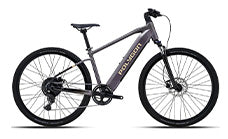
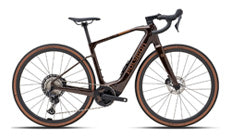
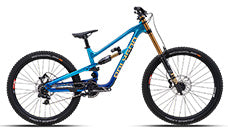
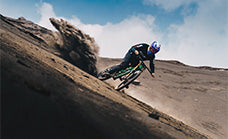
Looking for a trail bike that won’t break the bank? In this video I compare three of the best value full-suspension mountain bike under $3,000: the Polygon Siskiu D7, the Marin Rift Zone 2 and the Polygon Siskiu T7. They all have modern geometry, dropper posts and trustworthy components. I put them head-to-head on my local trails to see which offers the best blend of climbing efficiency, descending confidence and overall fun.
Table of Content
Summary: All three bikes offer incredible value for money, but they have different personalities. TheSiskiu D7 is the lightest and most sprightly, with 120 mm travel and a simple but reliableShimano Deore drivetrain. It climbs efficiently and feels lively on flowing trails. TheRift Zone 2 steps up with 130 mm of rear travel and a buttery Marzocchi Bomber Z2 forkmatched with a RockShox Deluxe Select shock[1]. Its MultiTrac suspension and 29-inchwheels give it a stable, confident ride on rough descents[1]. The Siskiu T7 offers the most travel(up to 140 mm front / 135 mm rear) and slacker geometry, making it the rowdiest of thebunch. After multiple laps the Rift Zone’s balanced handling and spec made it my top pick, butevery bike shined in its own way.
Meet the contenders
Polygon Siskiu D7
The D7 is a gateway into full-suspension riding. It has a lightweight aluminium frame and120 mm of travel delivered by a RockShox shock. A wide-range Shimano Deore drivetrain andhydraulic disc brakes keep things simple and dependable. On our test climbs the D7 felt thequickest thanks to its lower weight and efficient suspension. It’s not as plush as the other bikeson rough descents, but its nimble feel makes it a blast on smoother singletrack. If you prioritiseclimbing and playful handling, this might be your bike.
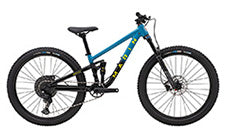
Marin Rift Zone 2
Marin’s Rift Zone 2 is a trail workhorse built to party. The 130 mm of rear travel pairs with aMarzocchi Bomber Z2 fork and RockShox Deluxe Select RT shock[1]. It rolls on 29-inchwheels with Vee Flow Snap tyres and features a Shimano Deore 12-speed drivetrain, TransXdropper post and an aluminium frame[1]. The extra travel and MultiTrac suspension providea supple yet efficient ride. On descents the Rift Zone felt planted and confident, while stillclimbing respectably. It’s the all-rounder of the group.
Polygon Siskiu T7
The T7 takes the Siskiu platform up a notch with more aggressive geometry and longer travel.Our test bike came with a 140 mm fork and a 135 mm rear end, along with a 12-speed Shimanodrivetrain and four-piston brakes. The T7’s slack head angle and long wheelbase make it themost stable descender of the trio, and its suspension soaks up bigger hits with ease. On climbsit’s not as sprightly as the D7, but the traction and composure on technical trails are impressive.Riders who prioritise descending will love its rowdy nature.
Ride impressions
We tested each bike on the same loop of climbs and descents to keep things fair. On steepclimbs, the D7’s light weight and efficient suspension meant I could spin up comfortably. TheRift Zone climbed surprisingly well despite its longer travel and heavier frame; its MultiTracsystem kept the rear wheel glued to the ground without wallowing. The T7 demanded a bitmore effort but rewarded me with excellent traction thanks to its longer wheelbase and grippytyres.
When the trail pointed down, the differences were stark. The D7 remained fun and poppy butlacked the big-hit capability of the others. The Rift Zone hit a sweet spot: it stayed composed onchunky rocks yet still felt lively through berms and jumps. The T7 excelled on the roughestsections; its extra travel and slack geometry let me charge harder and hold lines the D7 wouldskip off. However, it felt less responsive on tight corners and flat terrain.
Which is right for you?
If you’re just getting into full-suspension riding and want something efficient and playful,choose the Siskiu D7. Riders looking for a balanced bike that can handle long rides, technicaldescents and everything in between should consider the Rift Zone 2. Aggressive riders whoprioritise descending and want a bike that can handle enduro-style trails will appreciate theSiskiu T7. All three bikes deliver outstanding value, but your choice depends on how you liketo ride.
Which bike has the most travel?
The Siskiu T7 offers the most suspension travel at 140 mmfront and 135 mm rear, while the Rift Zone 2 has 130 mm rear travel with a 140 mm fork[1].The Siskiu D7 has 120 mm travel.
What makes the Rift Zone 2 stand out?
Its combination of 130 mm rear travel, MarzocchiBomber Z2 fork and RockShox Deluxe Select RT shock, 29-inch wheels and a Shimano Deore12-speed drivetrain gives it a balanced ride[1]. It feels composed on descents while still climbingefficiently.
Is the Siskiu D7 suitable for new riders?
Yes. With its lighter weight, 120 mm travel andstraightforward components, the D7 is a great first full-suspension bike for riders who valueclimbing efficiency and nimble handling.
Do these bikes come with dropper posts?
Yes. All three models include dropper posts, whichallow you to quickly lower your saddle for descents and raise it for climbs.
Can I upgrade components later?
Absolutely. These bikes share modern standards like boostspacing and tapered head tubes, making it easy to swap forks, wheels or drivetrains as yourskills and budget grow.

Jared Morgan
BikesOnline....


