






















Buying an Electric Bike: Key Considerations

Buying an e-bike is a big investment, so you want to feel confident that you’re choosing the right one for your lifestyle, riding style, and budget. To help you make a smarter decision, this updated guide walks you through the core features to compare, the technology that matters, and the questions you should ask before buying.
1. Know what you’ll use an e-bike for
E-bikes now come in a wide range of designs, each created for a specific type of riding. Before you start comparing specifications, take a moment to think about how and where you’ll ride most of the time.
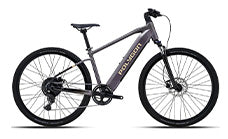
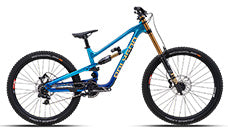
If you mainly commute or run errands, a city or hybrid e-bike is designed for comfort and simplicity. If you love exploring trails, you’ll want a hardtail or full-suspension e-MTB that can handle different terrain. Matching the bike to your actual riding, not the riding you occasionally dream about, helps you avoid overspending or buying something that doesn’t suit your needs.

2. Price reflects performance
With e-bikes, you truly get what you pay for. Higher-priced models typically come with:
- ● A longer-lasting battery
- ● A more powerful and efficient motor
- ● Better gears, brakes, and overall components
- ● Improved ride quality and durability
A lower-priced e-bike may look appealing, but remember that part of the cost is the motor and battery. A $1,000 e-bike often uses components similar to a $500 conventional bike. If you want reliable long-term performance, spending a little more upfront usually means fewer issues later.


3. Understand motor power
When comparing e-bikes, one of the first questions people ask is, “How powerful is the motor?” In Australia, the legal limit for e-bike motors is 250 watts. This is enough to help you cruise at around 25 km/h, which is the maximum assisted speed allowed.
Beyond wattage, look at:
- Volts (V): Indicate how fast the motor can deliver power (affects acceleration).
- Amp-hours (Ah): Show how much capacity the battery has (affects riding range).
As a general rule, choose the most efficient motor and highest battery capacity your budget allows.

4. Choose the right motor type
E-bikes use either hub-drive or mid-drive motors. Each has strengths depending on the type of riding you’ll do.

Hub-drive motors
- • More affordable
- • Simple, reliable design
- • Great for commuting, urban riding, and light use
Rear hub motors often feel more natural because the power pushes from behind.

Mid-drive motors
- • Better balance and handling
- • Smoother, more natural pedal feel
- • More efficient when climbing hills
Mid-drive motors read your pedal torque and multiply your effort, making steep climbs feel easier.
5. What watt-hours mean for range
Battery capacity is measured in watt-hours (Wh). A higher number means you can ride further and for longer before recharging. A simple way to estimate range is:
Watt-hours / 15 = Battery mileage
For example, a 450 Wh battery delivers roughly 30 km of assisted riding. Your actual range can vary depending on terrain, rider weight, assist level, wind, and tyre pressure — but this estimate is a helpful starting point.
Start exploring your options
Now that you understand the essentials, you’re ready to compare e-bikes that match your riding goals and budget. If you have questions about motors, battery specifications, or which style suits your needs, you can contact our customer service team for tailored advice.
You might want to read:
FAQs
What type of e-bike should I buy for commuting?
A city or hybrid e-bike with a comfortable upright position, reliable brakes, and a mid-range battery is ideal for daily commuting. Look for integrated lights, mudguards, and a rear rack if you plan to carry bags.
How far can an e-bike travel on one charge?
Most e-bikes deliver 30–100 km per charge, depending on battery size (Wh), terrain, rider weight, and assist mode. You can estimate range by dividing watt-hours by 15.
Is 250 watts enough power for an e-bike?
Yes. In Australia, 250W motors are the legal limit and offer enough assistance to reach 25 km/h. For better hill climbing and efficiency, choose a high-quality mid-drive motor rather than focusing solely on wattage.
Which is better: hub-drive or mid-drive motors?
Hub-drive motors are affordable and great for flat, urban riding. Mid-drive motors provide smoother power delivery, better efficiency, and improved climbing performance, making them ideal for trail riding and longer distances.
How long does an e-bike battery last?
Most batteries last 3–5 years or 500–1,000 charge cycles. Keeping the battery charged between 30–80% and storing it in a cool, dry place helps extend lifespan.