

 USA
USA












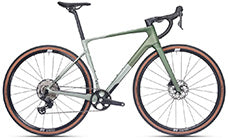











Which Gravel Bike Is Best For You? Adventure, Race & All-Road
|
|
Time to read 4 min
Adventure gravel bikes borrow cues from mountain bikes. They typically use slack head angles and long wheelbases for stability on rough terrain, combined with low top tubes and generous stand over clearance. This relaxed geometry makes them feel more like a cross-country bike than a road bike. Gravel race bikes tighten things up with steeper head angles and adjustable geometry to prioritise agility and speed. All-road bikes lean back toward road-bike norms with the steepest head angles and shortest wheelbases of the three categories, offering razor-sharp handling on pavement while still accepting wider tyres. In general, road bikes use head angles between about 71 and 74 degrees, while mountain bikes run slacker angles around 70 degrees or less[1], and gravel designs sit in between.
Table of Content
Summary: Gravel bikes aren't one-size-fits-all. Adventure bikes like the Polygon Bend R7 are designed for off road exploration with relaxed geometry, slack head angles and lots of mounts. Gravel race bikes such as the Tambora G5 feature carbon frames, adjustable geometry and lighter components for speed and efficiency. All-road bikes like the Path X5 blend road-bike handling with wider tyres and a front derailleur for a broader gear range. Your choice depends on where you ride: pick an adventure bike for singletrack and bikepacking, a race bike for events and fast group rides, or an all road bike for pavement with the occasional rough stretch.
Gravel Bikes - Collection
Components & Spec
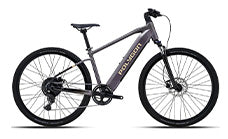
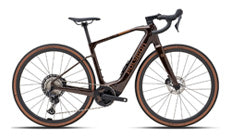
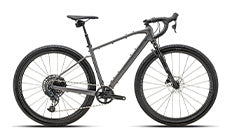
The Polygon Bend R7 adventure bike is built for durability and comfort. It uses a sturdy aluminium frame with generous tyre clearance—often up to 50 mm—plus loads of rack and bottle mounts for bikepacking. Wide drop bars and low gearing make it easy to control on rough surfaces and grind up steep climbs. The Tambora G5 gravel race bike swaps aluminium for a carbon frame, fork and seatpost, shedding weight and smoothing the ride by damping vibrations[2]. It also features flip chip inserts at the front and rear, allowing riders to adjust the head angle and wheelbase to suit their terrain. Its components mirror road bikes: narrower bars, tighter gear ratios and lighter wheels. The Path X5 all-road bike bridges the gap by offering moderate tyre clearance (35 mm), a more upright riding position for visibility and comfort, and a rare front derailleur for maximum gear range— perfect for commuters who split their time between tarmac and gravel.
Ride Impressions & Who It's For
During her test rides, Wendy found that the Bend R7's relaxed geometry and wide tyres deliver confidence on rough 4×4 roads and even singletrack. It feels planted and comfortable on long adventures but sacrifices some speed on pavement. The Tambora G5 felt agile and fast—perfect for gravel races and spirited group rides. Its carbon frame and adjustable geometry make it versatile enough for multi-day tours when fitted with bags. The Path X5 offered the closest ride to a road bike: quick handling, lighter wheels and narrow tyres mean it flies on smooth tarmac yet remains stable on hard-packed gravel. It's ideal for riders who commute or train on pavement but crave occasional gravel detours.Verdict There's no single "best" gravel bike—each category serves a different rider. Choose an adventure bike like the Polygon Bend R7 if you prioritise comfort, carrying capacity and capability on rough, remote routes. Opt for the Tambora G5 gravel race bike if speed, efficiency and adjustable performance matter most. Select the Path X5 all-road bike if your rides are mostly on pavement but you want the option to explore dirt roads and commute in comfort. Consider what terrain you ride most, how much gear you carry and how racy you want your bike to feel before deciding.
What's the difference between an adventure gravel bike and a gravel race bike?
Adventure gravel bikes have slacker head angles, longer wheelbases and more mounting points for racks and bags. Race bikes feature lighter carbon frames, steeper head angles and components geared toward speed.
Can I fit wide tyres on an all-road bike?
All-road bikes typically accept tyres up to 35–38 mm. That's narrower than adventure bikes but still wider than standard road bikes, offering a balance of comfort and efficiency.
What is a flip-chip and why does it matter?
A flip-chip is an insert in the frame or fork that lets you change the bike's geometry—usually adjusting the head angle or wheelbase—to fine-tune handling. On the Tambora G5, it allows riders to switch between a more stable or more agile setup.
Do gravel race bikes have less mounting capability?
Gravel race bikes like the Tambora G5 often have fewer mounting points than adventure bikes, but many still include mounts for bottles and small bags. They strike a balance between weight savings and utility.
Which bike should I choose if I want to commute and ride gravel on weekends?
An all-road bike like the Path X5 is ideal - its efficient road-bike handling and front derailleur make commuting easy, while the wider tyres and mounts give you the flexibility to tackle light gravel on weekends.

Jared Morgan
BikesOnline....


