

 USA
USA




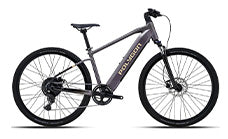

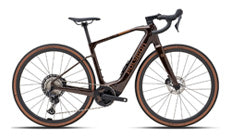






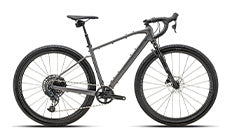















Are E-Bikes Worth It for City Riding?

Urban cycling has evolved — and at the centre of that evolution are electric bikes. For many city dwellers, traditional cycling is great for fitness and short trips. But when traffic is dense, routes are hilly, distances are longer, or carrying gear is necessary, e urban bikes offer a blend of convenience, efficiency, and enjoyment that often surpasses conventional bikes.
This guide explores whether e-bikes are genuinely worth it for city riding — breaking down technical advantages, everyday benefits, cost considerations, and real-world value. If you’re browsing ebikes for sale or wondering whether to try your first electric ride, here’s a fair, comprehensive perspective.
The E-Bike Difference
At their core, e-bikes are bikes with an integrated electric motor that assists your pedalling. Unlike mopeds or scooters, you still contribute human power; the motor simply amplifies your effort. Key benefits for city riding include:
1. Effortless climbing and acceleration
Urban terrain is rarely flat. Short but steep hills, busy lights, and frequent slowdowns add up. E-bikes use electric assist to reduce the effort needed for starts and climbs.
2. Faster commutes with less sweat
The motor doesn’t replace pedalling — it supports it. This means you arrive at work or appointments without being drenched in sweat, yet you still get light exercise.
3. Expanded range
With efficient power delivery and larger batteries, many modern e-bikes cover distances that would be tiring on a conventional bike.
4. Stability in traffic
A well-tuned electric assist makes accelerating from traffic lights and roundabouts feel fluid, boosting rider confidence in mixed traffic.
Everyday Urban Advantages
Saving time
E-bikes help you maintain higher average speeds than traditional bikes, especially where gradients or wind resistance slow riders down. For many urban commuters, this translates to reliable, consistent journey times — less reliant on parking, traffic jams, or crowded public transport.
Reducing barriers to cycling
Not everyone cycles because of fitness levels or age. E-bikes lower barriers — meaning more people can choose cycling as a viable mode of transport. For families, professionals, and leisure riders alike, this inclusivity expands how city riding is experienced.
Cargo and errands become easier
Modern e-bikes often include rack mounts and sturdy frames that support baskets or panniers. Some cargo-focused e-bikes (like long-tail or mid-cargo designs) are even capable of replacing short car trips for groceries, school runs, or work gear.
Transport Comparison
| Transport | Speed | Cost | Convenience | Exercise |
|---|---|---|---|---|
| Public Transport | Medium | Low–Medium | Dependent on schedule | Low |
| Car | High | High | Parking & congestion | Low |
| Traditional Bike | Low–Medium | Low | Weather-dependent | High |
| E-Bike | Medium–High | Medium | Flexible & quick | Moderate |
E-bikes often hit the sweet spot — flexible like bikes, but faster and less weather-dependent. They cost more upfront than traditional bikes, but significantly less than cars or scooters over time.
How Technology Adds Value
Modern commuter e-bikes include features that go beyond power and range:
Are e-bikes expensive?
Upfront cost is often the biggest concern. E-bikes typically cost more than traditional bikes due to motors, batteries, and electronics. But when compared over time to car expenses (fuel, parking, insurance) or even frequent rideshare trips, e-bikes can be much more cost-efficient. Plus, many ebikes for sale today are competitively priced across commuter, cargo, and leisure categories, making ownership more accessible than ever—as evidenced by popular brands like Aventon, which offers a strong lineup of affordable models.
Real-world value: Who benefits most?
-
01.
Commuters: Reduce travel time and physical effort — especially useful for daily rides to work or study.
-
02.
Errand riders: With cargo options and rack compatibility, city chores become faster and easier.
-
03.
Mixed-ability riders: Adjustable assist levels allow riders with varying fitness levels to use the same e-bike comfortably.
-
04.
Multi-modal travellers: Those who combine cycling with public transport gain flexibility and reduced first-/last-mile barriers.
Potential drawbacks
Weight
Heavier due to motors/batteries. Harder to carry up stairs.
Maintenance
Electronics require slightly more upkeep than traditional bikes.
Range anxiety
High assistance modes may require more frequent charging.
Conclusion: Are e-bikes worth it?
Yes — for many urban riders, e-bikes are not just worth it, they’re transformative. They make cycling more accessible, faster, and less physically demanding without losing the benefits of active travel.
Whether you’re commuting, running errands, or just enjoying city life, the right e-bike can simplify daily travel and cut transport costs over time.
Frequently Asked Questions
Do e-bikes make commuting faster?
Yes — electric assist helps maintain higher average speeds, especially on mixed terrain and through stop-start traffic.
Are e-bikes easy to maintain?
E-bikes need similar maintenance to traditional bikes, with the addition of battery care and occasional electronics checks.
Will an e-bike still give me exercise?
Absolutely — you control how much you pedal, and even assisted riding provides cardiovascular benefits.