

 USA
USA






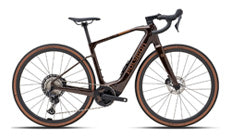



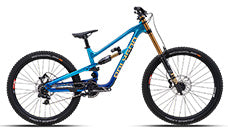



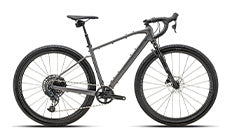





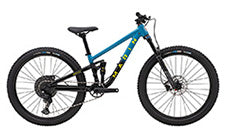









Everything You Want to Know About Mountain Bikes: A Comprehensive Guide


Buying your first mountain bike can feel overwhelming. You will hear a lot of unfamiliar terms—groupsets, suspension travel, boost spacing, thru axles—and it is not always easy to ask what they mean without feeling lost.
This guide breaks everything down in plain language. By the end, you will understand what really matters when choosing a mountain bike, how different components affect performance, and how to avoid common beginner mistakes.
Understanding Mountain Bike Groupsets (Drivetrain Basics)
In modern mountain biking, a groupset refers mainly to the bike’s drivetrain—the components that help you change gears and transfer power from your legs to the wheel. Some manufacturers also include brakes within a groupset, but the drivetrain is the core focus.

Shimano XTR Groupset
Parts of a Drivetrain
- Shifters
- Rear derailleur
- Front derailleur (less common on modern trail bikes)
- Cassette
- Crankset (chainset)
- Chain

Most modern mountain bikes now use **1x drivetrains**, meaning there is no front derailleur. This simplifies shifting, reduces weight, and improves reliability on rough trails.
Groupset Hierarchies Explained (Shimano and SRAM)
Both Shimano and SRAM offer groupsets in tiers. As you move up the hierarchy, weight decreases, materials improve, and shifting becomes smoother under load.
Higher-end groupsets usually offer more gears, such as 12-speed cassettes, which give you smaller jumps between gears. That extra gear can make a real difference when you’re grinding up a steep climb.
Shimano Hierarchy
|
HIGH-END ENTRY-LEVEL
|
XTR |
| XT | |
| SLX | |
| Deore | |
| Alivio | |
| Acera | |
| Altus | |
| Tourney |
Shimano also offers gravity-focused options:
| Saint |
| Zee |
SRAM Hierarchy
|
HIGH-END ENTRY-LEVEL
|
XX1 Eagle |
| X01 Eagle | |
| GX Eagle | |
| NX | |
| SX | |
| X1 | |
| XX | |
| X0 | |
| X9 | |
| X7 | |
| X5 | |
| X4 | |
| X3 |
SRAM also has a downhill specific groupset:
| X01 DH |
How Much Groupset Do You Really Need?
There is a point where performance gains start to cost a lot more. For most riders, **Shimano Deore or SLX** delivers excellent reliability and performance without unnecessary cost. Alternatively, **SRAM GX Eagle** hits the best balance of smooth shifting and long-term durability. Top-tier groupsets make sense for racers or weight-conscious riders, but they are rarely essential for recreational or trail riding.

Electronic Shifting: Is It Worth It?
Shimano and SRAM now offer electronic shifting on higher-end groupsets. These systems promise instant, precise gear changes, less cable maintenance, and consistent shifting performance. The downside is cost and the need to keep batteries charged. For most riders, mechanical shifting remains simpler, more affordable, and easier to maintain long-term.

Mountain Bike Suspension Explained
Suspension is one of the defining features of a mountain bike. You will encounter two main types: **Hardtail** (front suspension only) or **Full Suspension** (front and rear suspension). Suspension quality matters because it affects comfort, control, and long-term durability.

Fox 36 Rhythm front suspension on the Polygon Siskiu N9
You will regularly see suspension brands like SR Suntour (entry-level), RockShox (mid- to high-level), and Fox (mid- to high-level). You may also find Manitou, Marzocchi, and X-Fusion offerings.
Air vs Coil Suspension: What Is the Difference?
Coil suspension uses a metal spring, feels linear, is heavier, and is less adjustable. Air suspension uses pressurized air, is lighter, is highly adjustable for rider weight and style, and feels more progressive through its travel. Air suspension offers better value for most riders as it is easier to tune without replacing parts.

Coil suspension fork

Air suspension fork

The flexibility of air forks means you can easily tune them to suit your riding style and weight, unlike coil forks where you often need to buy a new, replacement spring.
Wheels: 27.5 vs 29 Explained Simply
Modern mountain bikes use either 27.5" (650b) wheels or 29" wheels. You should generally avoid 26" wheels for trail riding, as parts availability continues to disappear.

Choose **27.5-inch wheels** if you prefer agility and playful handling. Choose **29-inch wheels** if you want better rollover, efficiency, and stability on longer or faster rides. There is no wrong choice—wheel size should match your riding style and preferences.
Axles and Boost Spacing (Future-Proofing Matters)
Older mountain bikes relied on quick-release skewers. Modern bikes now use **thru axles**, which go through the centre of the hub and screw into the frame or fork. Thru axles make the bike stiffer, safer, and more compatible with modern brakes and wheels. If you plan to upgrade parts in the future, thru axles and Boost spacing are essential.
The common standards today are: **Front: 110 x 15mm (Boost)** and **Rear: 148 x 12mm (Boost)**. Boost spacing widens the hub flanges, creating a stronger wheel, which is especially important for the larger 29" size.

Nalid Thru Axle

Polygon 2HRU Rear Quick Release Skewer
Final Thoughts: Buying Smart the First Time
Understanding drivetrain levels, suspension types, and wheel standards will help you avoid costly mistakes and choose a mountain bike that lasts. A slightly better component choice today often saves money on upgrades and replacements down the track.

So there you have it, armed with this information you are clear to surf the web and find a bike that fits your needs and your wallet. Be sure to check the Mountain Bikes on offer at Bicycles Online before you check other brands online or in a shop. We offer a free 14 day test ride on all our bikes and ship all over Australia. You also have access to full spec lists on each bike and unbiased comparisons with other bike brands.
If you have any questions, feel free to call, email, or live chat with our customer service team.
Frequently Asked Questions
What is the best groupset for beginner mountain bike riders?
For most beginners, Shimano Deore or SRAM GX Eagle provides the best balance of durability, smooth shifting, and value without paying for unnecessary race-level features.
Is air suspension better than coil suspension for mountain bikes?
Air suspension is generally better for most riders because it is lighter, easier to adjust for body weight, and offers more tuning options. Coil suspension is more consistent but heavier and less adjustable.
Should I choose 27.5 or 29-inch wheels on a mountain bike?
Choose 27.5-inch wheels if you prefer agility and playful handling. Choose 29-inch wheels if you want better rollover, efficiency, and stability on longer or faster rides.
Are thru axles important on modern mountain bikes?
Yes. Thru axles improve stiffness, braking performance, and long-term compatibility with modern wheels and suspension standards.
Further Reading


