

 USA
USA












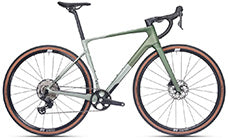














Is Carbon Worth The Extra Money? (The results may surprise you)
|
|
Time to read 4 min
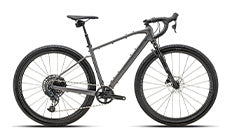
As someone who spends countless hours on gravel roads, I’m always looking for ways to make the ride more enjoyable. One of the biggest decisions any gravel rider faces is whether to upgrade from an aluminium frame to carbon. In this video and blog, I compare carbon and aluminium versions of our gravel bike to discover whether spending extra on carbon is actually worth it. I analyse the weight difference, ride quality, durability and overall value, and answer the most common questions riders ask about these materials.
Table of Content
Summary: After riding carbon and aluminium versions of the same gravel bike back-to-back, I found the carbon frame delivered a noticeably lighter and more responsive ride, especially on long climbs and rougher gravel. Aluminium models still offer great value and durability for riders who prioritise cost, but carbon’s improved vibration damping and reduced fatigue make it worth the premium for those who spend lots of time in the saddle. For many riders, the deciding factor comes down to budget and how much time they’re willing to sacrifice for a slightly heavier build [1].
Gravel - Collection
Weight & Stiffness
The first thing you notice when you lift both bikes is how much lighter the carbon frame feels. According to independent testing, carbon frames can be two to five times more rigid than aluminium for the same weight and are typically lighter overall[1]. Out on the road, that translates into quicker acceleration and less energy required to maintain speed. On steep gravel climbs, I found the carbon bike’s lighter frame made it easier to stay on top of my cadence. Aluminium frames have improved drastically thanks to hydroformed tubing, so a high-quality alloy gravel bike isn’t dramatically heavier, but you do feel the difference when you’re several hours into a ride.
Ride Quality & Comfort
Carbon isn’t just lighter – it also smooths out trail chatter better than aluminium. On washboard descents and broken pavement, the carbon frame absorbed vibrations and kept the tyres planted, letting me relax my grip and focus on the line ahead. Aluminium’s stiffness can transmit more buzz through the bars and saddle, which may cause fatigue over long rides. Advances in tubing shapes and wider tyres have narrowed the comfort gap, but carbon still edges ahead when it comes to damping vibrations and keeping you fresh over rough surfaces[1].
Durability & Reliability
Many riders worry about the durability of carbon frames. Carbon doesn’t dent like aluminium – if it’s damaged in a crash it tends to crack and needs professional repair. Aluminium can dent or bend, but minor damage rarely makes the bike unsafe to ride. Carbon frames also don’t fatigue over time like aluminium can[1]. That said, aluminium frames are still very reliable, especially on rough gravel tracks where you might lay the bike down or bash a rock. If you’re riding remote back roads and want a bike you can easily fix and ride out on, aluminium is still a smart choice.
Performance & Efficiency
On long rides, the carbon bike’s reduced weight and vibration damping translated into better overall efficiency. I found I could maintain higher speeds with less effort and arrived at my destination feeling less fatigued. The aluminium bike, while still fast and fun, felt more sluggish when powering out of corners or climbing steep sections. Riders who value pure performance or race gravel events will appreciate carbon’s edge here. For everyday riding and bikepacking, the difference may not justify the cost unless you’re counting every watt[1].
Price & Value
Carbon frames carry a higher price tag because the manufacturing process and materials cost more. Direct-to-consumer brands like ours cut out distributors and retailers, passing those savings along to riders[2]. An aluminium model is typically hundreds of dollars cheaper, making it ideal for newcomers to gravel riding or riders on a tight budget. If you’re planning to keep the bike for years and do long rides or races, the added comfort and performance of carbon can justify the investment. For budget-conscious riders who don’t need marginal gains, aluminium still delivers excellent value.
Verdict
After riding both versions back-to-back, I came away impressed by how much more lively and comfortable the carbon gravel bike felt. The weight savings and improved vibration damping made long climbs and rough sections noticeably easier. However, aluminium remains a great choice for riders who prioritise durability and affordability. Ultimately, whether carbon is worth the extra money depends on your riding style, goals and budget. If you ride long distances on rough gravel and want a bike that keeps you fresher and climbs faster, the carbon upgrade is worth considering. If you’re just getting into gravel riding or want a bike you can thrash without worry, the aluminium model will serve you well[1].
Is carbon too fragile for off-road riding?
Modern carbon frames are engineered to withstand off-road abuse. They don’t dent, but a severe impact can crack them, requiring professional repair. Aluminium frames can handle minor dings but will eventually fatigue over time[1].
How much weight does carbon actually save?
Depending on size and design, a carbon gravel frame can save around 500–800 grams compared to a comparable aluminium frame. This weight saving makes the bike feel more responsive and accelerates faster, especially on hills[1].
Is the ride quality on carbon really better?
Yes. Carbon’s ability to damp vibrations means less road buzz reaches your hands and saddle. Over long distances, this improved comfort translates into reduced fatigue and a smoother ride[1].
Do carbon bikes require special care?
Carbon bikes should be checked regularly for cracks and deep scratches. Tighten bolts to manufacturer torque specs to avoid crushing the carbon. Store the bike indoors and clean it after dusty rides. Aluminium bikes are more tolerant of rough handling and simpler to repair.
Is a carbon gravel bike worth it for a beginner?
If you’re just starting out or on a tight budget, an aluminium bike offers excellent value and durability. You can always upgrade components later. Riders who plan to race, ride long distances or want the best performance from the start may find the extra expense of carbon worthwhile.

Jared Morgan
BikesOnline....


