
 USA
USA
























What's the Deal with Polygon Bikes?! Exploring the History, Innovation & Value
|
|
Time to read 5 min
Table of Content
Summary: TWe often get asked a simple question: what’s the deal with Polygon bikes? Some riders swear by them, others still remember the early days when the brand was finding its feet. As the exclusive North-American distributor for Polygon, we wanted to dig in and share what makes this Indonesian brand so interesting. We’ll trace Polygon’s roots, highlight their innovations and athletes, explain how vertical integration keeps prices low, and show you where to find the perfect Polygon for your next adventure.
Best Sellers
A brief history of Polygon
Polygon started life in 1989 in Indonesia building durable bikes for the rugged roads of Southeast Asia. They began with steel and aluminium frames and quickly proved that affordable bikes didn’t have to be flimsy[1]. In 1997 the company opened their Rodalink concept store in Indonesia, giving local riders a one-stop shop for bikes, parts and accessories[1].
For the next decade Polygon focused on perfecting their bikes at home. When the company finally entered international markets, they did so in stages – Australia in 2007, Europe in 2011 and the United States in 2014[1]. This measured approach meant that each new market could be supported properly, but it also meant early models sometimes lagged behind established competitors. Some of those first international bikes had slightly outdated geometry or previous-year components. Polygon listened to rider feedback, updated their designs and specs, and has since caught – and in many cases surpassed – the industry leaders.
Innovation and athletes
Innovation has become a hallmark of Polygon. The Square One (also called XQUARONE) won Pinkbike’s 2017 Innovation of the Year award and introduced a radical suspension design that blurred the lines between enduro and downhill bikes. More recently, the Ghillie gravel bike collected Good Design Awards in 2022 and 2023 for its sleek aerodynamics and versatile ride.
Polygon’s commitment to pushing the envelope is helped by a roster of world-class athletes. Downhill siblings Mick and Tracy Hannah have amassed dozens of elite World Cup podiums riding Polygon’s flagship Collosus DH. Kurt Sorge famously captured two Red Bull Rampage victories aboard a Polygon DH bike, and freeriders like Dan Wolfe and Luke Whitlock continue to develop and test new models at the highest level. On the road, the Terengganu Polygon Cycling Team dominates the Asian pro scene and feeds product feedback straight back to the design team.
The secret sauce – vertical integration
So why are Polygon bikes so competitively priced despite the awards and pro pedigree? The answer lies in their business model. Unlike most bike companies that outsource frame production and rely on a network of suppliers, Polygon owns and operates its own factory and assembly facilities. Flow Mountain Bike’s factory tour notes that Polygon is “one of just a small number of brands that actually possess their own factory and assembly facilities” and produces nearly half a million bikes a year[2]. In fact, the company even manufactures bikes for other brands[2].
Having everything under one roof means Polygon can engineer, weld, paint and assemble frames in-house. All tube forming is done on site using dies and moulds created by Polygon’s own machining shop[3]. This level of control reduces logistics costs, shortens lead times and allows the company to pivot quickly if specs need to change. When combined with bulk purchasing of brand-name components, the resulting efficiencies translate into lower prices for the rider. We complement these savings by selling direct from our warehouse to your door, cutting out the cost of brick-and-mortar retail. The result? High-performance bikes at prices that often undercut competitors by hundreds – sometimes thousands – of dollars.
Models for every rider
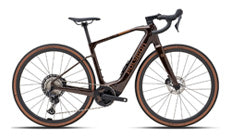
Collosus TLE – a lightweight carbon e-MTB built for long days on rough trails. It features advanced suspension and a powerful drive unit to help you ride further without draining your legs. See all of our Collosus TLE bikes.
Collosus N series – a family of enduro bikes that combine long-travel capability with efficient pedalling. Perfect for riders who live for the descents but still need to climb to the top. Explore the Collosus N models.
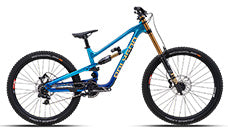
Collosus DH – our downhill race machine that has carried riders to World Cup wins and Red Bull Rampage glory. Built around a high-pivot suspension design, it devours the roughest tracks. Shop our Collosus DH collection.
Path and Premier – these affordable commuter and weekend-adventure bikes harken back to Polygon’s roots. They’re comfortable, reliable and budget-friendly —ideal for riders dipping their toes into cycling. Check out the Path and Premier ranges.
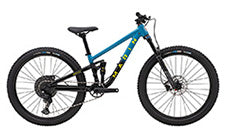
Siskiu – Polygon’s trail platform, available in both alloy and carbon builds with travel options from 130 mm to 150 mm. Models like the Siskiu T6 and Siskiu T8 offer full-suspension performance at exceptional value. View all Siskiu mountain bikes.
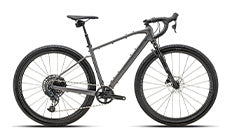
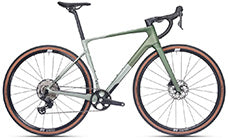
Whatever your style – from road racing to freeride, from e-MTB to gravel – we stock a Polygon that will suit your needs. And if you’re still torn between categories, take a look at our full Polygon collection or browse our entire mountain bike range for even more inspiration.
Value beyond price
At BikesOnline, we’re not just a retailer – we’re riders too. We put every bike through its paces before it arrives at your door, and our USA-based mechanics build and tune each Polygon before shipping. Because we handle distribution directly, we can list bikes below their recommended retail price (RRP) without cutting corners. When we talk about a model’s cost, we refer to its RRP – sale prices vary but the quality never does. That’s why value-packed bikes like the Siskiu T6 and Collosus TLE often outperform competitors costing $1,000– $2,000 more.
Ready to ride?
If you’ve been on the fence about Polygon, hopefully this article clears things up. From humble beginnings to global success, the brand has earned its reputation for innovation and affordability. We’re proud to bring Polygon to riders across North America, and we’re here to answer your questions. Leave a comment if you’d like to know more about a specific model or want help choosing the right bike. Then subscribe to our channel for more deep dives like this. After that, grab your current bike—whatever it is—and get out thereand ride!
When and where was Polygon founded?
Polygon began in 1989 in Indonesia, initially producing durable bikes for Southeast Asian roads before expanding globally.
How does vertical integration allow Polygon to offer competitive pricing?
Polygon controls much of its production—from frame manufacturing to assembly—which reduces outsourcing costs and allows them to offer high■spec bikes at lower prices.
What innovations or athletes are associated with Polygon?
Polygon’s IFS suspension and bikes like the Colossus series showcase their design expertise. Athletes such as Kurt Sorge and Sam Reynolds have ridden Polygon bikes to major freeride victories.
Are Polygon bikes reliable?
Yes. Reviews and customer feedback generally praise their value and performance. As with any brand, proper setup and maintenance are key to longevity.
Where can I buy a Polygon bike?
BikesOnline is the exclusive North American & Australian distributor. Riders in other regions can purchase through Polygon’s Rodalink stores or local distributors.

Jared Morgan
BikesOnline....


