 USA
USA




















Bikepacking 101: A Beginner's Guide to Adventure Cycling

What is Bikepacking?
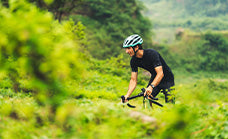
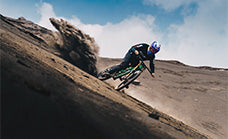
Bikepacking is a form of bike touring where there has been a joining together of minimalist camping, bikes, and roads less travelled. Depending on how brave you're feeling, or the bike you’ve picked, there may not be any roads at all, and you’ll almost be mountain biking, but with all you need to be self-sufficient in the wild attached to your bike.
Bikepacking grew out of ultra-endurance bike races where you had to self-support yourself over gruelling distances, some races making the Tour de France seem like a small jaunt around France with some friends.
Why should you go Bikepacking?
The simple answer is memories. You’ll gain a lot of them, even on a short trip. There is nothing quite like looking out of your tent as the sun is coming up over some vista you’ve not seen before. You’ll also have the great feeling of knowing it was only through your own effort you got there using a very environmentally friendly method of transportation.
The Basics of What You Need

Photo source: https://www.blackwaterbikes.com
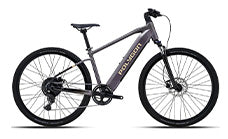
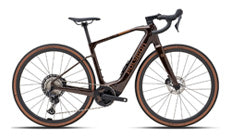
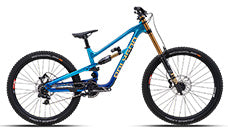
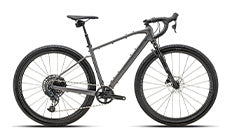
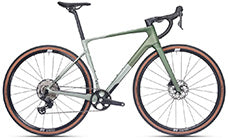
The most basic requirement will be a bike. It can be a fat bike, a gravel bike, a mountain bike, or a single speed bike if you feel like punishing yourself. The bike doesn’t need to have rack mounts like the touring bikes of yore; now you can find luggage that straps directly to the frame.
A bike with wider tyres that are ideally set up tubeless will make bikepacking more comfortable. You’ll ideally want to start with a saddle bag and a bar bag for an overnight trip.
What to pack for an overnight trip
Taking an overnight trip is a good first step to making sure bikepacking is for you.
- Bike gear & lights
- Shelter (Tent/Tarp/Bivvy)
- Sleeping bag & mat
- Dinner & Breakfast
- Cooking gear & Water
- GPS/Smartphone/Map
- Sunscreen & Toiletries
- First aid & Repair kit
- Headlamp
- Change of clothes
How To Plan a Successful Ride
For a ride to be successful, you need a good route within your capabilities. Be honest with yourself and remember that fatigue sets in over multi-day trips. Plan time to stop for views or landmarks.
Use internet forums, social media, or tourist books for research. Drawing your route on a paper map provides a great physical memento and serves as a reliable backup to your GPS.
Food and Water

Photo Source: https://farm2.static.flickr.com
- Pack ½ kg to 1 kg of food per day.
- Don't try new foods on the trip; stick to what you like.
- Avoid dieting; eat well to fight fatigue.
- Pick lightweight backpacking meals to save room.
Water Management
Carrying 4 litres per day is ideal in warm conditions. Use fork mounts or bottle cages to distribute weight. Always carry purification tablets or boil water collected from running sources.
Restrap vs. Topeak Bags
Topeak is a well-known industry giant making everything from pumps to bags. Restrap is a smaller English company known for handmade quality. The main difference is that Restrap often includes integrated dry bags—a lifesaver in unpredictable weather.
