























Commuter Bike Essentials & Tips
|
|
Time to read 4 min
Commuting by bike has been part of my daily routine for years. In this episode of the Bike Shed Devin and I share the hard-earned lessons that make riding to work safer, faster and more enjoyable. We cover everything from picking the right bike and carrying your gear to the smallbut important accessories that will save you time and keep you comfortable. There’s even afriendly hot-lap challenge at the end – with a pair of bricks on the line for the loser!
Table of Content
Summary: Your commuting setup starts with the right bike. Think about your route – flat roads, hills oroff-road shortcuts – and choose a machine that matches: an alloy or carbon road bike forsmooth tarmac, a hybrid with suspension for mixed terrain or a folding bike if you need tocarry it on public transport. Use a backpack, frame bag or bum bag to store your clothes, lunch,phone and keys. Pack bike essentials: a multi-tool, pump and spare tube so flats don’t make youlate. Add front and rear lights (400–1000 lumens for the front) and wear visible clothing tostay seen. Don’t forget a helmet; replace it after any crash or if the foam is cracked[1]. Finally,tuck a lightweight rain jacket in your bag for sudden showers. With the right kit you’ll arrive atwork on time, relaxed and ready for the day.
Choose the right bike
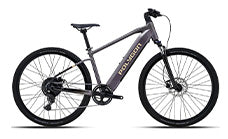
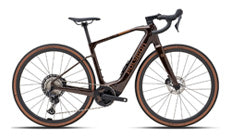
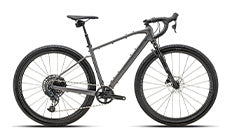
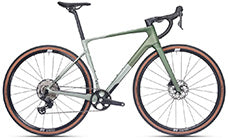
The first step is matching your bike to your commute. Pure road bikes are lightweight andefficient on smooth tarmac but can feel harsh on rough paths. Hybrids and flat-bar fitnessbikes offer a more upright position and clearance for wider tyres, which helps when your routeincludes potholes or gravel. If your ride involves trains or limited storage at home, a foldingbike such as the Urbano is a practical option – Devin and I raced these around the office in thevideo. Consider gears, too: riders tackling steep hills should look for a wide-range cassette tospin up climbs without arriving sweaty.
Carrying your gear
You’ll need a way to get your lunch, spare clothes and valuables to the office. A simple backpack works for most people, but make sure it’s comfortable and has space for a rain jacket. If you prefer not to sweat under a pack, opt for a frame bag, seat pack or even a bum bag (I carry one despite the fashion police). Look for water-resistant materials or use a rain cover to keep your change of clothes dry on wet days. Riders who carry laptops or heavy loads may want to fit a rear rack and pannier – just ensure your bike has the appropriate mounts
Commuting essentials
Multi-tool and pump
Even on smooth roads components can loosen or tyres can puncture. Carry a compact multi-tool with Allen keys, a chain breaker and screwdrivers, plus a mini-pump or CO inflator. A spare tube, tyre levers and patches will save your day when you’re miles from the office.
Lights
Visibility is critical. We recommend a front light with at least 400 lumens so youcan see and be seen on unlit paths; for longer rides or winter commutes 600–1000 lumens offers extra safety. Choose a rear light with a steady mode so drivers canjudge distance, and run it during the day for peace of mind.
Helmet
Always wear a certified helmet. The foam liner is designed for one-time use –replace your helmet after any crash or if you drop it hard enough to crack thefoam[1]. A road-style helmet provides ventilation for short commutes; if you ridethrough sun and shade, consider one with a visor. Manufacturers also recommendreplacing helmets periodically as materials degrade over time.
Rain jacket
A lightweight spray jacket takes the edge off wind and rain. It packs downsmall, keeps you warm if you get caught in a shower and doesn’t add much weight toyour bag. You’ll appreciate it if you have to fix a flat in the rain.
Comfort extras
Gloves improve grip and reduce vibration, while padded shorts orliners make longer rides more pleasant. A pair of clipless pedals and shoes can increasepedalling efficiency once you’re confident with foot retention.
Why commute by bike?
Beyond saving money on fuel and parking, biking to work gives you a reliable travel time – Iknow my 14 minute ride takes the same amount of time every day. It’s also a built-in workout; Iarrive at the office awake and energised, and the ride home clears my head after a busy day. Ifyour commute is long you can make the return trip a training ride, turning the necessity oftransportation into an opportunity for fitness.
What bike is best for commuting?
It depends on your route. If you have smooth roads andlong distances, a drop-bar road bike is fast and efficient. Mixed surfaces or short trips favourhybrids or flat-bar bikes with wider tyres. Folding bikes are ideal when storage space is limitedor you use public transport.
How bright should my lights be?
A front light in the 400–1000 lumen range lets you seeunlit paths and ensures drivers spot you. Rear lights should be bright and have a steady modeso following traffic can gauge distance.
What spares should I carry?
At minimum bring a multi-tool, spare tube, tyre levers, pump orinflator and a patch kit. These items will get you rolling again after most roadside mishaps.
When should I replace my helmet?
Replace a helmet immediately after any crash or if youdrop it hard enough to crack the foam. The foam liner is designed for one-time use and won’tprotect you properly after being compressed[1].

Jared Morgan
BikesOnline....


