
 USA
USA




















Will These Budget Upgrades Make The Polygon Siskiu D6 Faster?
|
|
Time to read 5 min
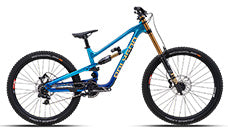
Upgrading a bike can get expensive fast. In our last episode I spent A$1,500 upgrading the Polygon Siskiu D6 with a better fork, lighter wheels and a tubeless tyre conversion – we shaveda minute off our 2.2 km test loop, but the ride still felt harsh. This time I set myself a A$500limit to focus purely on comfort and control. By swapping the bar, grips, saddle, pedals andbrake levers I hoped to find out if better contact points would make me faster.
Table of Content
Summary: I set out to see if affordable upgrades could make a good bike feel great. A taller riser bar and matching stem gave me a more upright riding position, lock-on grips reduced hand fatigue and improved bar feel, and a properly fitted saddle eliminated the sit-bone soreness I’d been fighting. Swapping in one-finger brake levers improved control, and new platform pedals offered a more secure connection. On the same 2.2 km test loop I was eight seconds faster (9:58vs 9:50) – not a huge difference, but the increase in comfort and confidence was immediately noticeable. If you’re on a tight budget, start with ergonomic contact-point upgrades before blowing the bank on suspension or drivetrain; they pay off in comfort and control[1][2].
Why contact-point upgrades matter
The parts you touch affect how you feel on the bike. Your hands, feet and rear end take abeating every ride, so investing in better contact points is money well spent. Modern lock-ongrips keep your hands secure in wet or muddy conditions and use softer rubber compounds todamp vibrations and reduce fatigue[1]. Quality grips also improve bar feel and bike control,increasing confidence when the terrain gets rough[2]. A saddle that fits your sit boneseliminates pressure points, while platform pedals with a grippy surface keep your feet plantedwhen you’re charging downhill. Combined with a higher-rise bar to shift your weight rearwardon steep descents and brake levers designed for one-finger use, these changes make the bikefeel more natural and comfortable – and when you feel good, you ride faster.
Our A$500 upgrade experiment
Bars & stem
The stock D6 bar is reasonably wide but almost flat. I replaced it with a Bontrager Line 35alloy bar with 27.5 mm of rise, then trimmed it to 770 mm to match my shoulder width. Thehigher rise allowed a more upright posture, relieving lower-back stress on climbs and giving memore confidence on descents. Because the new bar uses a 35 mm clamp, I paired it with amatching Bontrager Elite 35 stem in the same 45 mm length as stock. The two componentslined up perfectly, making it easy to set the bar angle and lever positions.
Grips
Grip comfort was a huge priority. Queensland’s wet summer means any moisture underslide-on grips causes them to spin, so I chose Bontrager SE Elite lock-on grips. They’re madefrom recycled fishing nets and use a soft rubber compound that damps vibrations and keepsyour hands glued to the bar[1]. If you’re on a tighter budget, BikesOnline’s Entity grips offersimilar comfort at a lower price. After cutting the bar to length and sliding the grips on, thecockpit felt immediately more secure.
Brake levers
The stock Shimano MT201 brakes provide plenty of power, but the long two-finger levers feltclumsy. Following a tip from our friends at Kero Cycling, I swapped the stock blades forShimano XT servo-wave levers. They bolt straight on to the existing calipers and hoses andare designed for one-finger braking. The shorter lever and servo-wave mechanism improvedmodulation and ergonomics, giving me more control on rough descents.
Saddle
Finding the right saddle is personal, so I used Bontrager’s online guide to choose a Verse Shortsaddle that matched my sit-bone width. A properly fitted saddle eliminates numbness and sorespots, letting you focus on the trail instead of your backside. The new perch felt supportiveduring long climbs, and its compact shape made it easy to move around during technicaldescents.
Pedals
Finally, I installed Entity PP20 composite platform pedals. Their large platform and moldedpins provide plenty of grip without shredding your shoes. The pedals are durable, lightweightand cost-effective – a perfect match for a budget trail bike.
Does comfort equal speed?
With all the new parts installed, the Siskiu D6 lost another 200 g, bringing total weight savingsto 1.7 kg over stock after both upgrade episodes. More importantly, the bike simply felt better.On climbs, the higher-rise bar and supportive saddle reduced back strain, and I could stayseated longer without discomfort. On descents, the extra rise and one-finger brake levers gaveme a more relaxed upper-body posture and greater control. Thanks to the secure lock-on grips Icould hold the bar lightly and maintain traction even when things got bumpy[2]. The pedalsoffered a stable platform that encouraged me to attack corners.I repeated the same 2.2 km timed loop from the previous episode. My lap time dropped from9 minutes 58 seconds (after the A$1,500 suspension and wheel upgrades) to9 minutes 50 seconds. An eight-second gain isn’t earth-shattering – I could simply have beenfresher on the day – but the improved comfort and confidence were undeniable. In my opinion,that’s worth every cent.
Making the most of your budget
If you’re upgrading a budget full-suspension bike like the Siskiu D6, start with the parts thattouch your body. High-rise bars, lock-on grips and a saddle that fits will make the biggestdifference to how you feel. Next, convert your wheels to tubeless tyres – running lowerpressures without pinch flats improves traction and comfort[3]. After that, consider suspensionand wheel upgrades if you have the funds. The D6 remains a great value package out of the box,and these incremental improvements let you grow with the bike instead of replacing it outright.
Do I need to upgrade the stem if I install a 35 mm bar?
Yes. The stock D6 uses a 31.8 mm clamp. Moving to a 35 mm riser bar required a new stemwith the matching clamp size. I chose a 45 mm Bontrager Elite 35 to retain the same reach.
Will these upgrades void my warranty?
No. Replacing bars, grips, pedals and saddle is considered normal customization. Just makesure to tighten all bolts to the manufacturer’s torque specifications and keep your old parts ifyou ever need to revert.
Are lock-on grips worth the extra cost?
In my experience, absolutely. Lock-on grips stay put even when it’s wet, and the softerrubber compound dampens vibrations and reduces fatigue[1]. Cheaper slide-on grips can spinunder the slightest moisture, reducing control and confidence.
Should I go tubeless or upgrade contact points first?
If you’re starting from scratch, I recommend fitting quality contact points first – acomfortable cockpit makes you want to ride more. After that, go tubeless; lower pressuresimprove traction and comfort and virtually eliminate pinch flats[3].

Jared Morgan
BikesOnline....


